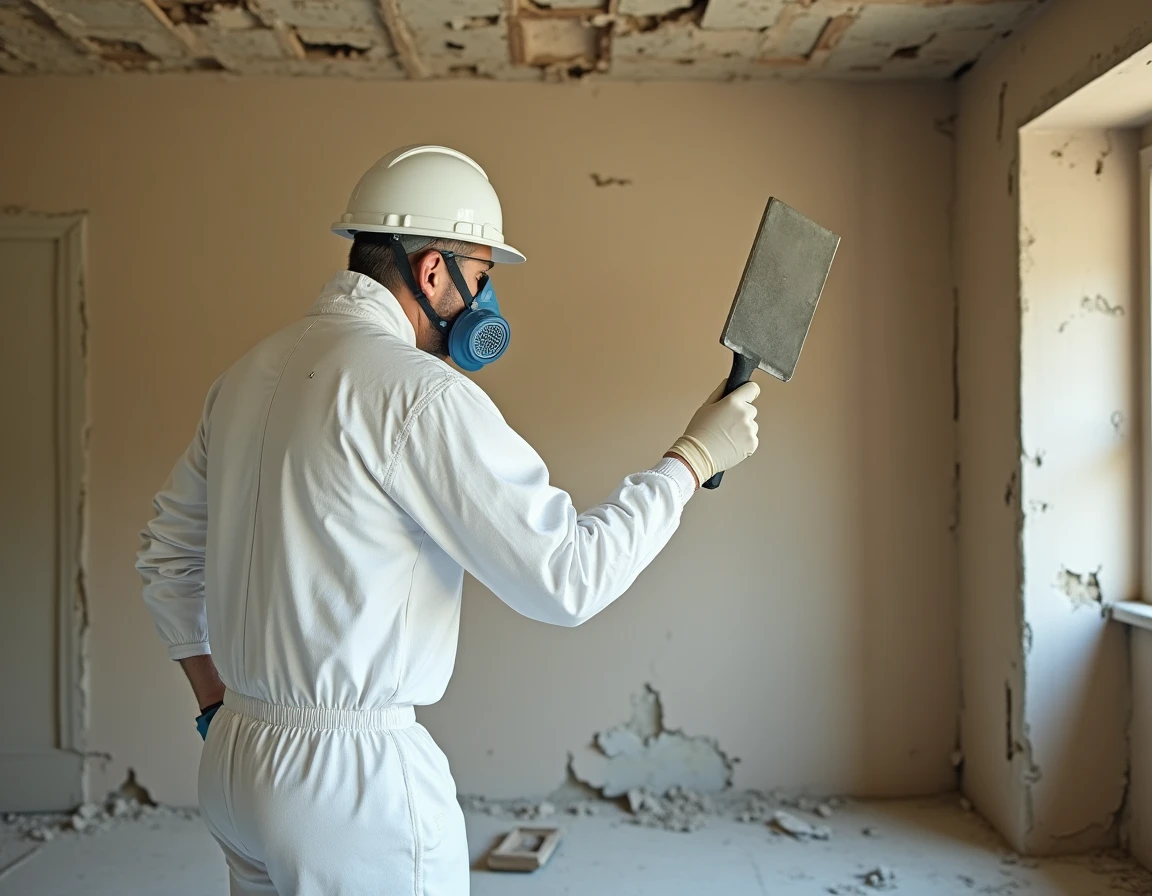
Asbestos in plaster presents a problem that many homeowners discover late, often at the time of a simple sanding or wall opening. Unlike corrugated roofing sheets, which are easily identifiable, asbestos-containing coatings and plasters often go unnoticed in standard diagnostics. Understanding where asbestos hides in interior coatings and what regulations require before work changes the very nature of a renovation project.
NF X46-020 Standard and Asbestos Detection in Coatings Before Work
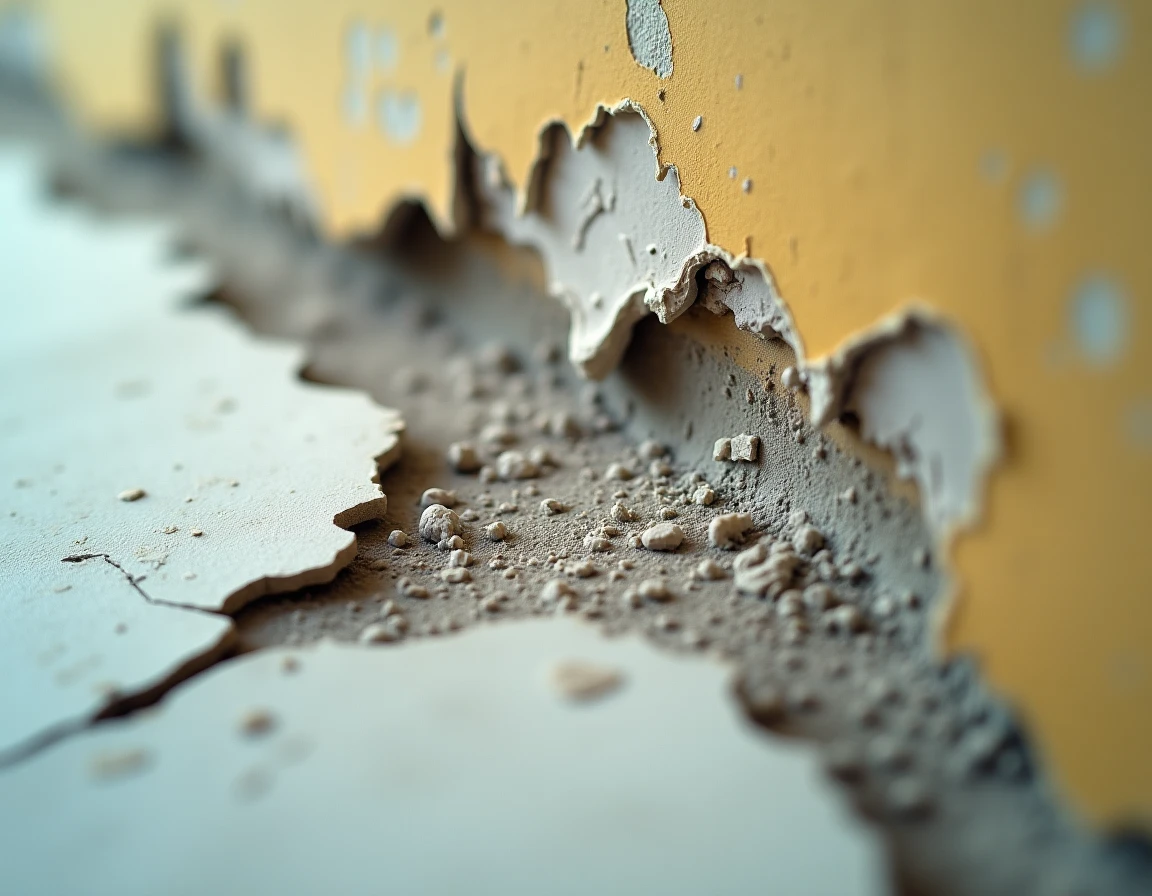
Since January 1, 2020, the NF X46-020 standard requires extensive detection of coatings, plasters, mortars, and adhesives that may contain asbestos. This obligation goes beyond the scope of sales diagnostics or the DTA (asbestos technical file), which did not systematically cover these materials.
Specifically, the client (owner, project manager) must have a specific detection carried out before work by a certified operator. This detection targets the materials that will be affected by the intervention, even if it is just a simple filling or decorative sanding. A negative DTA does not exempt from detection before work, as the analyzed areas and methods differ.
To fully understand the risks of asbestos in plaster, it is important to know that this obligation arises from decree n°2017-899 and the order of July 16, 2019, which frame the responsibility of the client in case of non-compliance on the site.
Sales Diagnostics, DTA, and Detection Before Work: Three Procedures Not to Be Confused
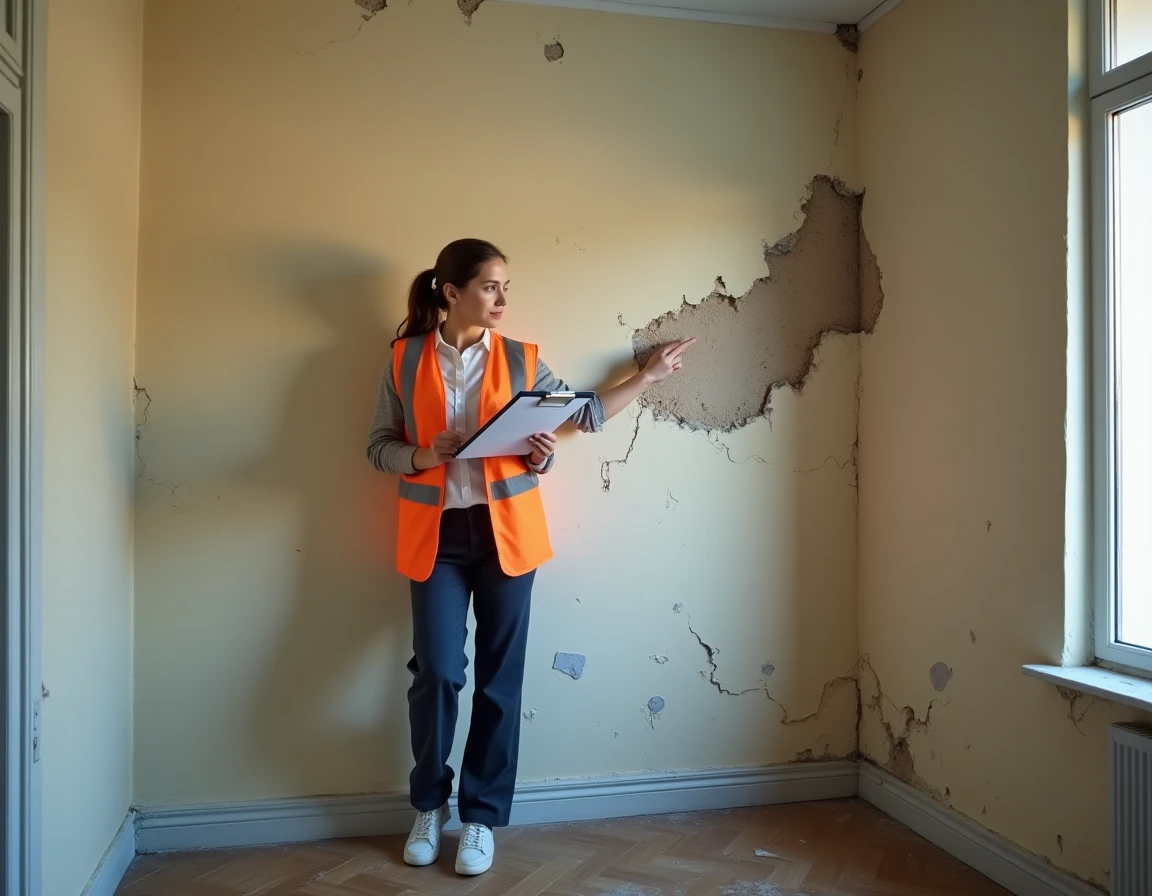
The confusion between these three diagnostics explains a large part of accidental exposures to asbestos in interior plasters. Their scopes are different.
| Type of Diagnostic | Context | Covered Materials | Coatings/Plasters Included |
|---|---|---|---|
| Sales Diagnostic (DAPP) | Real estate transaction | Restricted regulatory list | Partially |
| DTA (asbestos technical file) | Common areas, ERP, professional premises | Sprays, thermal insulation, false ceilings | Rarely |
| Detection Before Work (NF X46-020) | Before any intervention on the building | All materials impacted by the work | Yes, systematically |
An owner relying on a sales diagnostic from a few years ago may legitimately believe their plaster is safe. In contrast, detection before work analyzes the specific areas concerned, including the successive layers of coating that previous diagnostics may not have sampled.
Light Renovation and Asbestos in Plaster: The Trap of Small Projects
Laboratory feedback since the beginning of the 2020s indicates a notable increase in discoveries of asbestos in interior coatings during what are considered minor works. Opening a window, sanding before painting, installing external insulation: these interventions release fibers if the plaster contains asbestos.
The problem lies in the perception of risk. A homeowner sanding a wall to repaint does not think about asbestos. They do not wear an appropriate filtering mask (minimum FFP3 type for asbestos fibers), do not moisten the surface, and do not confine the room. The released asbestos fibers are invisible and remain suspended in the air for hours.
- Sanding is the most emissive operation: it generates fine particles that disperse fibers throughout the room, even into adjacent rooms.
- Drilling and cutting also produce fibers, but in a more localized area.
- Simply scraping a degraded coating is enough to release asbestos if the material contains it, even in small quantities.
Direct intervention by individuals on asbestos-containing materials should remain exceptional and limited, as emphasized by the ARS Brittany guide on DIY in the presence of asbestos.
Pathologies Related to Exposure to Asbestos Fibers in Coatings
Asbestos is classified as a carcinogen. Inhalation of fibers, even during brief but intense exposures (a weekend of sanding, for example), can cause serious pathologies with a latency period of several decades.
Mesothelioma (pleural cancer) is the disease most specifically associated with asbestos. Pulmonary fibrosis (asbestosis) and bronchopulmonary cancers complete the picture. The latency period between exposure and the declaration of the disease often exceeds twenty years, making prevention all the more crucial.
The gradual degradation of plaster also poses a passive risk. A cracked or damp asbestos-containing coating releases fibers into the ambient air without any mechanical intervention being necessary. This is why the state of preservation of the material determines the urgency level of an intervention.
Buildings Concerned: Which Construction Periods to Target
Asbestos was incorporated into many construction materials for its thermal, acoustic insulation, and fire resistance properties. Its use was completely banned in France in 1997. Any building constructed or renovated before this date is likely to contain asbestos in its coatings.
Plasters installed between the 1950s and the early 1990s have the highest probability. An ordinary-looking plaster can contain asbestos without any distinctive visual signs. Thin fibers resembling straw or fine threads may be visible in some cases, but their absence does not guarantee anything.
Only laboratory analysis of a sample can confirm or exclude the presence of asbestos. A mixed sample taken from several points reduces the risk of false negatives but does not eliminate it entirely, especially if the layers of coating vary from room to room.
The issue of asbestos in plaster is not limited to a technical diagnosis. It involves the health of occupants and the legal compliance of the site. A detection before work in accordance with the NF X46-020 standard, carried out by a certified operator, remains the only reliable guarantee before touching a wall in a building built before 1997.