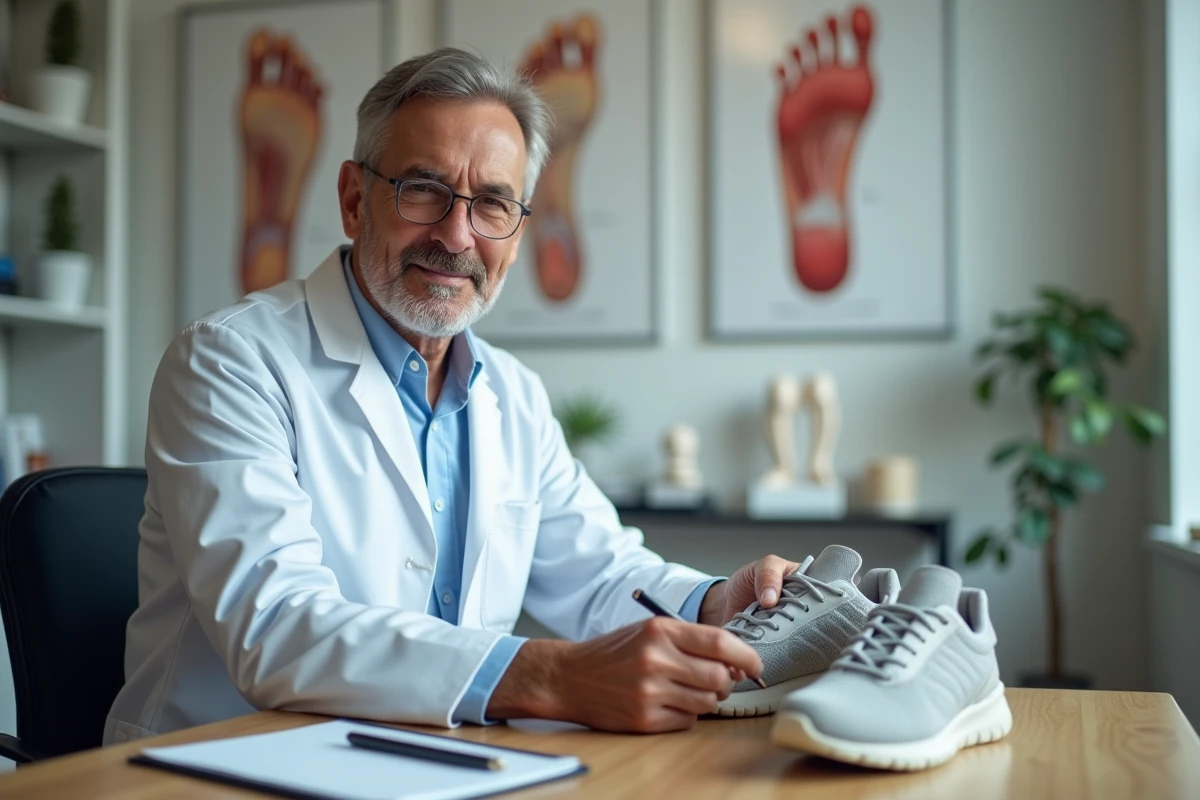
Thick-soled shoes have never been more popular. However, these models, adored by entire crowds, raise concerns among health professionals. Several podiatrists are sounding the alarm: prolonged use could insidiously disrupt biomechanical balance.
Over time, often overlooked side effects embed themselves into daily life. Altered posture, modified support: the evidence is clear, especially for those who already experience foot pain or have a fragile arch. For these individuals, vigilance is no longer an option but a necessity.
Why are Skechers so talked about among podiatrists?
In podiatry clinics, the promise of comfort from the new generation of sneakers fades during discussions. Skechers, and all those thick-soled shoes worn daily in Paris as well as Bordeaux or Toulouse, crystallize many concerns. On one hand, enthusiasts praise their immediate softness; on the other, professionals warn about their long-term effects.
Reports related to the use of these sneakers are skyrocketing during consultations. Complaints vary: diffuse pain in the feet, lingering muscle fatigue, or a modified gait that appears suddenly. Podiatrists explain that the extreme flexibility of the sole gradually weakens the foot’s natural support, paving the way for chronic instability.
To get a precise overview of these issues, check out this podiatrist’s review on Skechers problems, which is very detailed on this subject.
Several warning signs are regularly mentioned by specialists:
- Deformation or insidious evolution of posture
- Unusual overload on certain joints
- Gradually developing plantar or lumbar pain
The foot is the foundation: underestimating the role of a shoe opens the door to imbalances throughout the entire muscular chain. Choosing Skechers simply for their trendy appeal can therefore lead to a series of inconveniences that go beyond just comfort.
From minor inconveniences to real issues: what we notice in daily life
With prolonged wear, what was just a simple fashion choice ends up translating into a whole range of undesirable sensations. Many report subtle discomfort, a dull fatigue in the muscles, or even a feeling of losing dynamism in their stride. Sometimes, it’s the calves that feel tight or the arch that seems more sensitive.
The feedback collected, whether from personal experiences or observed during medical follow-ups, often converges on the same points. For a synthetic view, here are the recurring effects noted:
- Modification of gait, generally progressive
- Sensation of imbalance or instability in movements
- Appearance of unusual pressure points under the foot
- Muscle fatigue that becomes noticeable by the end of the day
This accumulation of signs eventually weighs on daily life. Experience shows that apparent comfort, for a few hours, is not enough to maintain balance over time. The opinions of podiatrists, supported by the cross-testimonies of users, highlight a concrete reality: we get used to these micro-symptoms, until the day they become impossible to ignore.
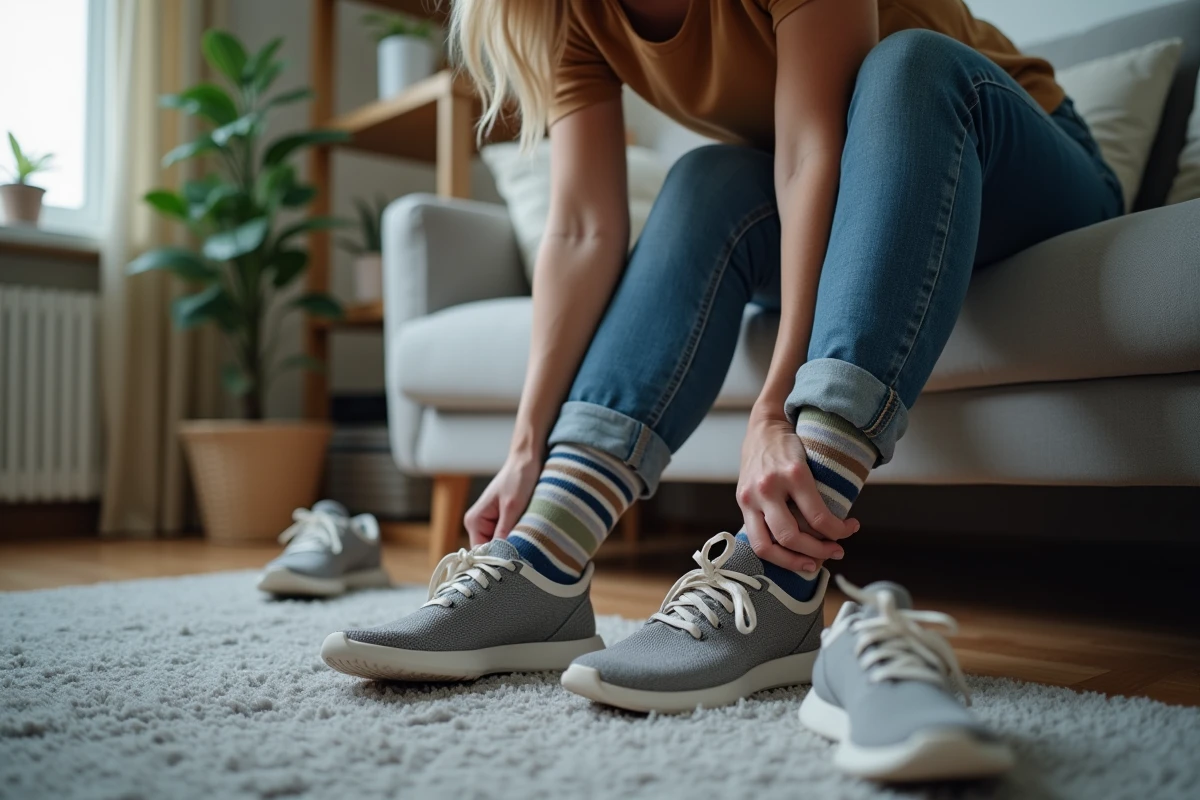
Professional tips and tricks for choosing the right shoes without making mistakes
According to podiatrists, there is never a one-size-fits-all solution. Every foot, every schedule, every body shape has its own expectations. It’s better to ignore marketing pitches to select a pair that truly suits your morphology and habits.
Concrete guidelines
Before buying a new pair, consider the following criteria:
- Moderate flexibility of the shoe: too rigid, it restricts movement; too soft, it encourages repeated shocks.
- Distribution of thickness under the forefoot: avoid soles that concentrate weight on a single area.
- Good heel support, essential for stability and preventing blisters.
Professionals in Paris, Bordeaux, or Toulouse remind us of this simple point: a hasty purchase often leads to persistent pain. To minimize risks, prioritize trying on shoes in the late afternoon, when the arch has already borne the day and the feet are slightly swollen. Also, remember to regularly change shoes and vary models, a simple gesture that reduces the repetition of pressure points.
Ultimately, selecting your shoes is an investment in the long run. A well-chosen pair respects your gait, protects each step, and leaves a positive imprint on your posture. Sometimes, providing a good pair of shoes means offering a new way to navigate the day, stable, assured, and above all, without lingering pain with every movement.