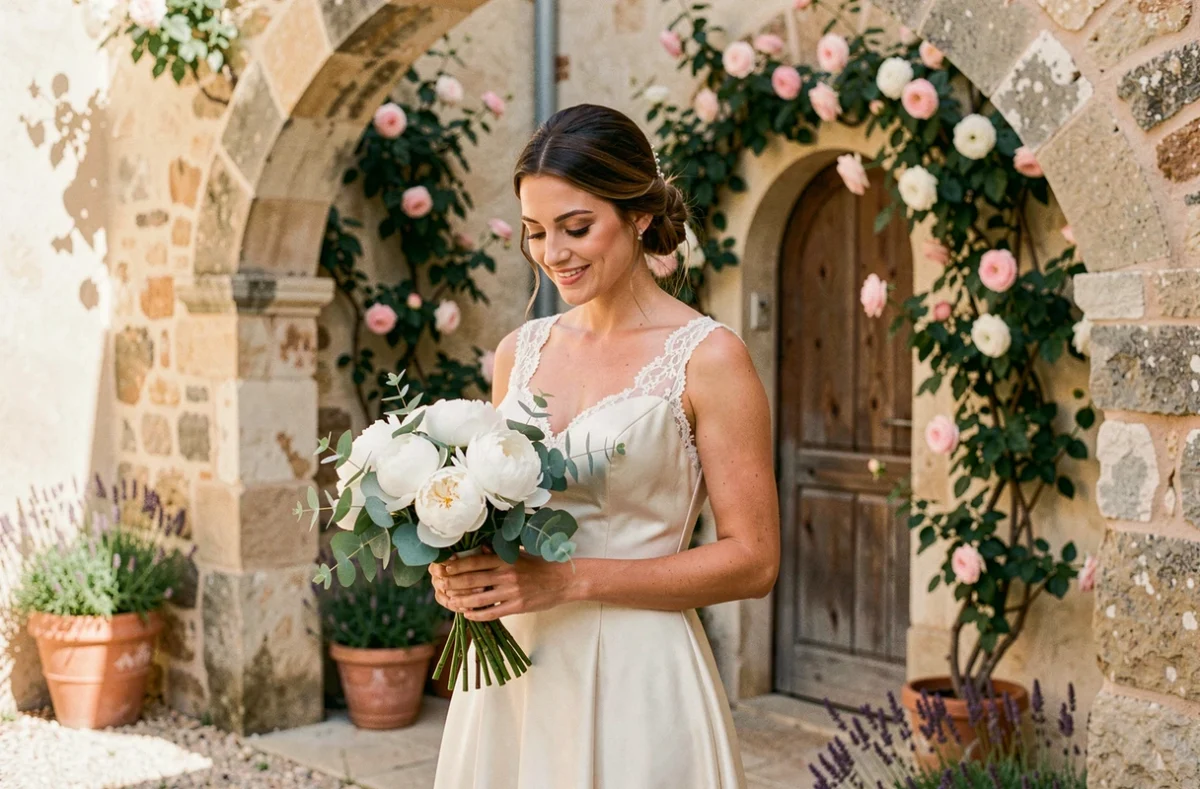
The average cost of a wedding held in 2025 reached €19,293, excluding wedding rings and the honeymoon, according to the Mariages.net survey. More than half of couples say they went over their initial budget. These figures raise a practical question: amid growing personalization, smaller celebrations and pressure from social media, what trade-offs are couples actually making this year?
Wedding budgets and overspending: what the data reveals
| Indicator | Data | Source |
|---|---|---|
| Average reported cost (excluding rings and honeymoon) | €19,293 | Mariages.net, couples married in 2025 |
| Exceeded planned budget | More than half of couples | Mariages.net, couples married in 2025 |
| Biggest expenses | Venue and catering | Famille chrétienne / sociologist |
The venue and meal account for the largest share of expenses. A report by Famille chrétienne, drawing on comments from a sociologist, notes that these two costs lead many couples to cut their guest list. The trend toward smaller weddings is therefore not just an aesthetic choice: it is also a direct financial trade-off.
Options showcased on social media (photo booths, candy bars, fireworks, drone footage) add budget items that couples do not always anticipate. More than one in two couples goes over budget, making a contingency fund just as important as choosing a color palette.
Follow the latest news from MB Mariage to keep up with developments in the industry throughout the season, particularly new trends in vendors and wedding formats.
Guest numbers and ceremony format: the decision that shapes everything else
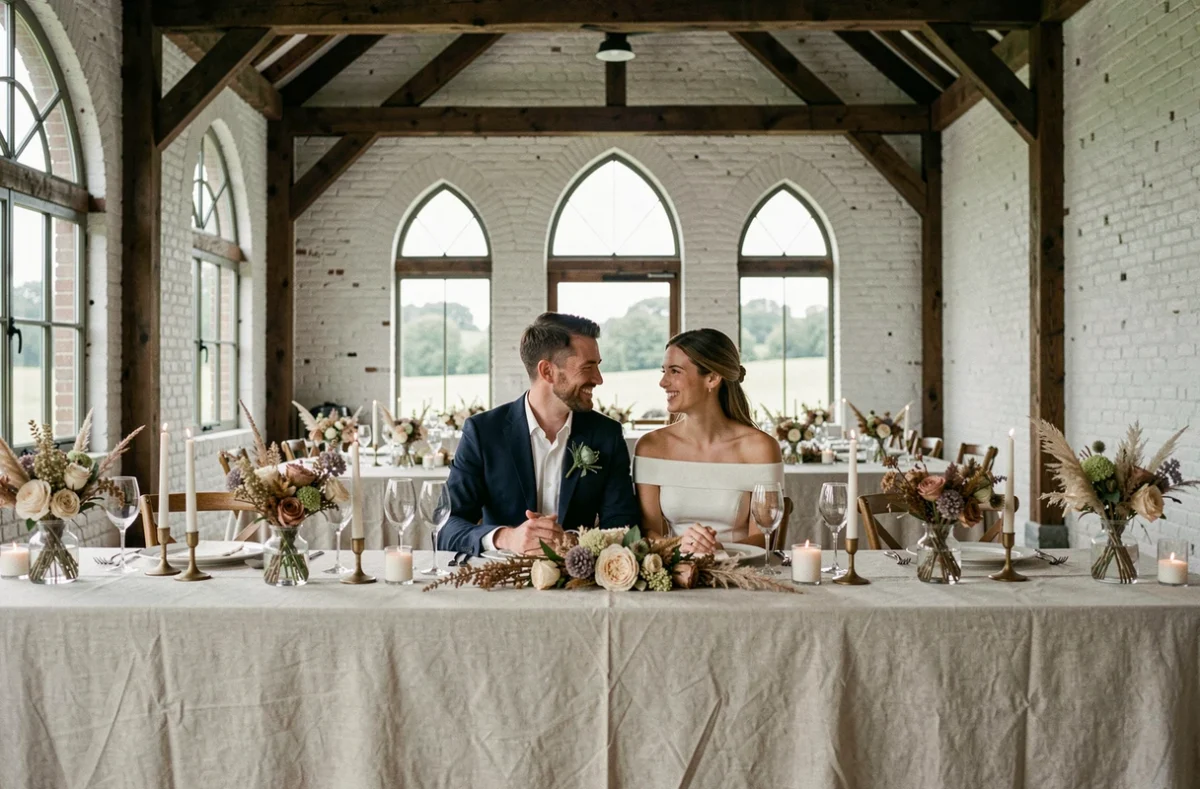
Cutting the guest list changes the equation. When a couple goes from 120 guests to 60, the budget per person rises without the overall cost necessarily soaring. This explains a measurable trend: couples are spending more per guest to create a more polished experience.
The meal format is changing accordingly. Seated dinners with a set menu are giving way to sharing-style options (long communal tables, gourmet buffets, live cooking stations). Catering remains the biggest expense, but its role is changing: it is becoming as much a part of the atmosphere as a source of food.
Off-season weddings: an underestimated way to save
Ceremonies held outside peak season (June to September) can benefit from lower venue rates. This practice is growing each year and has two advantages:
- The venue, the biggest expense, costs considerably less in autumn or winter, freeing up budget for other items
- Vendors (photographers, florists, caterers) are more available, giving couples more choice and shorter booking lead times
- Seasonal touches (candles, foliage, warm textures) complement the trend toward natural, understated decor without requiring extra effort
Moving the date by a few weeks can change the overall budget without compromising the quality of the experience.
Decor and colors: what couples are choosing this year
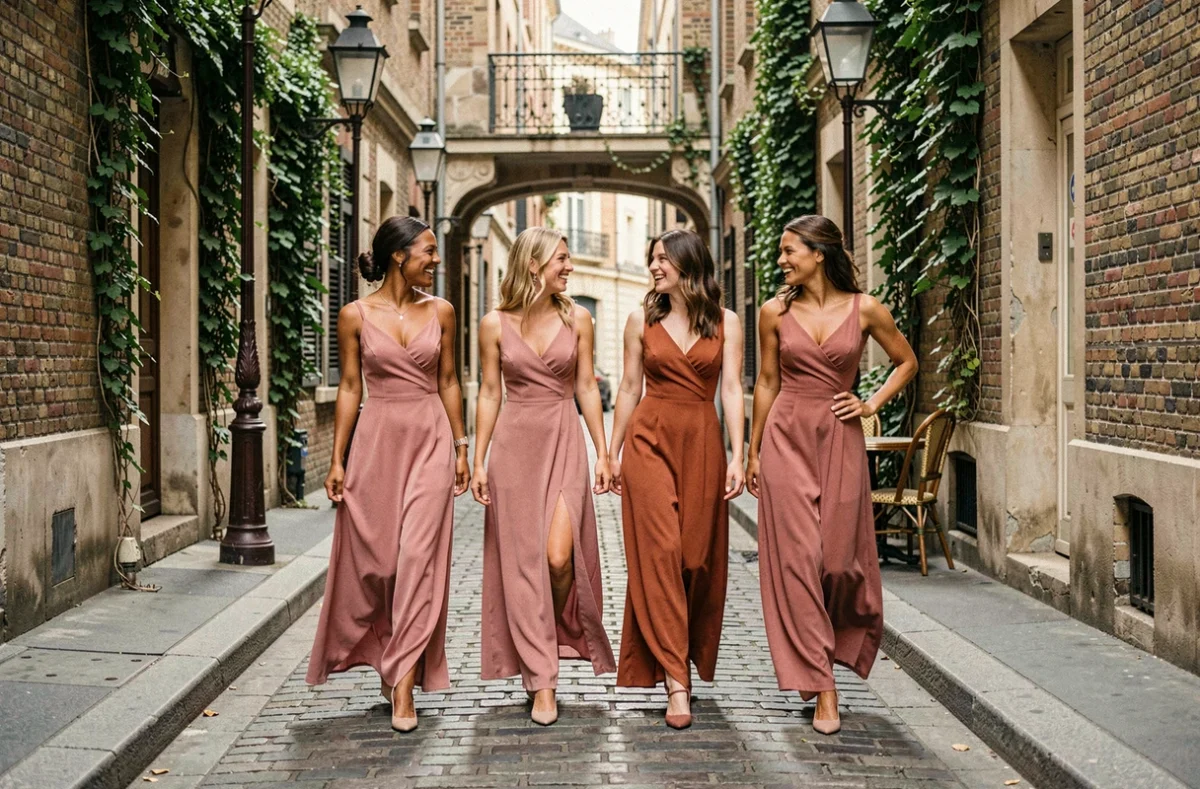
Natural color palettes dominate wedding inspiration. Soft shades, beige, terracotta and sage green appear in almost every source consulted. The trend is not new, but it is evolving. Floral arrangements are becoming less structured and more dynamic, with looser, less symmetrical designs.
Minimalism is still popular, with a notable shift toward warmth. Raw materials (wood, linen, stone) are replacing the smooth white surfaces that defined minimalist weddings a few years ago. Understated yet warm decor neatly sums up the balance couples are looking for.
Personalization versus standardization: finding the right balance
Personalization is the most prominent trend. Couples are incorporating details that tell their story: a playlist they put together, decorative touches tied to shared memories, and bespoke civil ceremonies. This approach makes weddings more distinctive, but it takes time to plan—a cost that inspiration articles rarely mention.
The opposite risk is real, too. Pressure to personalize everything, amplified by social media, can turn wedding planning into a race to be original. A wedding built around three strong choices is better than ten trendy ideas that do not work together.
Music and licensing: a technical detail couples often overlook
Music is part of the wedding experience, but it also comes with administrative requirements that many people are unaware of. In France, playing music at a private event open to a large audience or at a professional event venue may involve obligations to SACEM and SPRE. Requirements vary depending on the venue, the number of guests and whether the event is considered public or private.
Before choosing between a DJ, live band or personal playlist, it is worth checking whether the venue already has a license or whether additional steps are required. This technical detail, missing from most wedding inspiration guides, can lead to unexpected costs on the big day.
- Check with the venue whether it covers music licensing fees
- Distinguish between a strictly private event and one held at a professional venue open to the public
- Include this in the overall budget, especially if you are hiring an outside DJ
Together, these decisions (budget, format, decor and music) paint a more nuanced picture of today’s weddings than inspiration boards alone. The most underestimated expense is still the unexpected: setting aside 10 to 15% of the total budget is the most practical recommendation to keep in mind—well before choosing a trendy color.