The choice of a motorcycle track day relies on technical criteria that most commercial offers do not highlight. The instructor-to-student ratio, track characteristics, and the match between engine size and the rider’s actual skill level: these parameters determine both progression and safety. Here, we detail the points that make the difference between a productive day and a simple recreational riding session.
Instructor/Student Ratio and Educational Format on Track
A motorcycle track day where twenty riders share two instructors does not yield the same results as a session with one instructor for five or six participants. The instructor/student ratio directly impacts the quality of feedback. Beyond one instructor for eight students, individualized feedback becomes nearly impossible over the course of a day.
We recommend checking if the program includes individual briefings between runs, rather than just a collective debrief at the end of the day. Onboard video correction, when offered, allows the rider to compare their perception with the reality of their lines and braking points.
The format of the day also matters. A structured day alternates targeted workshops (progressive braking, leaning into corners, looking through turns) and free riding sessions where the rider integrates the instructions. Programs that only chain timed riding slots are more akin to a track day than skill improvement. Before booking, you can discover track days on Moto Sites to compare available options based on your targeted skill level.
Choosing the Motorcycle for Track Days: Engine Size Suitable for Actual Skill Level
Riding a high-displacement sportbike during a track day often hinders the progress of an intermediate rider. The available power masks riding flaws: the engine “makes up for” trajectory or gear selection errors, preventing the rider from working on their body positioning and corner reading.
A mid-displacement motorcycle forces the rider to manage every corner entry, to brake earlier, and to focus on cornering speed rather than acceleration out of the turn. Experienced instructors confirm this: a rider who progresses on a modest machine transfers their skills much faster when they return to their own bike.
If the course requires a fleet of motorcycles, check the range offered. A serious organizer provides at least two categories of engine size. If you come with your own machine, ensure that the technical regulations of the track accept your configuration (road tires or track tires, case protection, noise level).
Track Safety: Technical Criteria to Check Before Registration
Not all tracks are equal for a progression-oriented course. The width of the run-off areas at corner exits is the first passive safety criterion to examine. A layout with gravel traps or wide grassy areas offers a much greater margin for error than a track bordered by walls or barriers.
Here are the concrete elements to check before confirming your registration:
- The clarity of the layout: progressive corners with good visibility allow beginner or intermediate riders to anticipate their lines without stress. Blind sequences or downhill braking complicate learning.
- The presence of track marshals and the flag protocol: a serious course employs trained marshals at every post, with a responsive flag system (yellow, red). This setup significantly reduces the risk during a fall.
- The condition of the surface and drainage: a well-maintained track, free of protruding asphalt seams or wet spots in summer, offers consistent grip that reassures the rider during the learning phase.
This information is almost never found on the commercial pages of organizers. Contact the track directly or consult feedback from riders on specialized forums before making your choice.
Motorcycle Track Day Based on Objective: Road, Occasional Track, or Timing
A motorcycle riding course aimed at improving road riding does not have the same educational content as a preparation for regular track riding. Confusing the two leads to disappointment.
For road use, the course should focus on emergency braking, eye placement in corners, and managing grip on varying surfaces. The work is done at moderate speeds, with maneuverability and avoidance exercises. Timing has no relevance in this context.
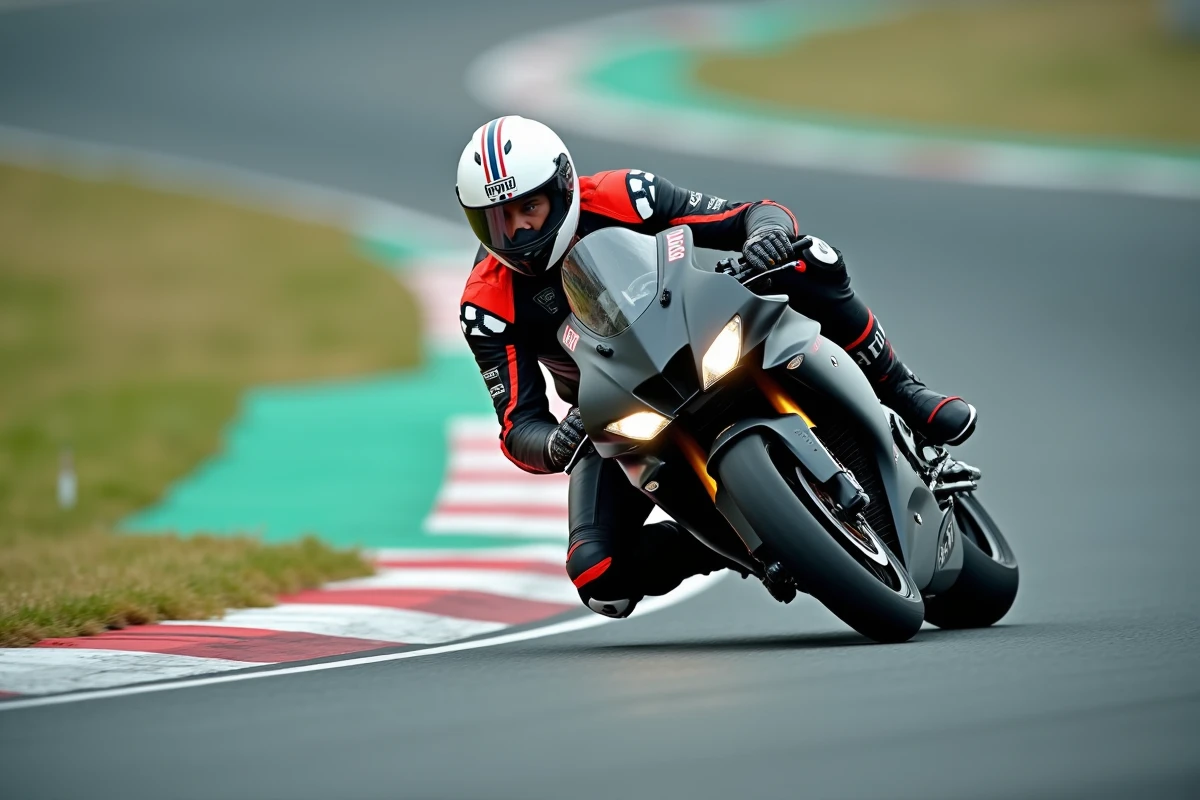
A course focused on occasional track riding introduces the concepts of ideal lines, apex points, and throttle application out of corners. The rider learns to utilize the width of the track and manage traffic in open sessions. Technical improvement focuses on lean angle and weight transfer.
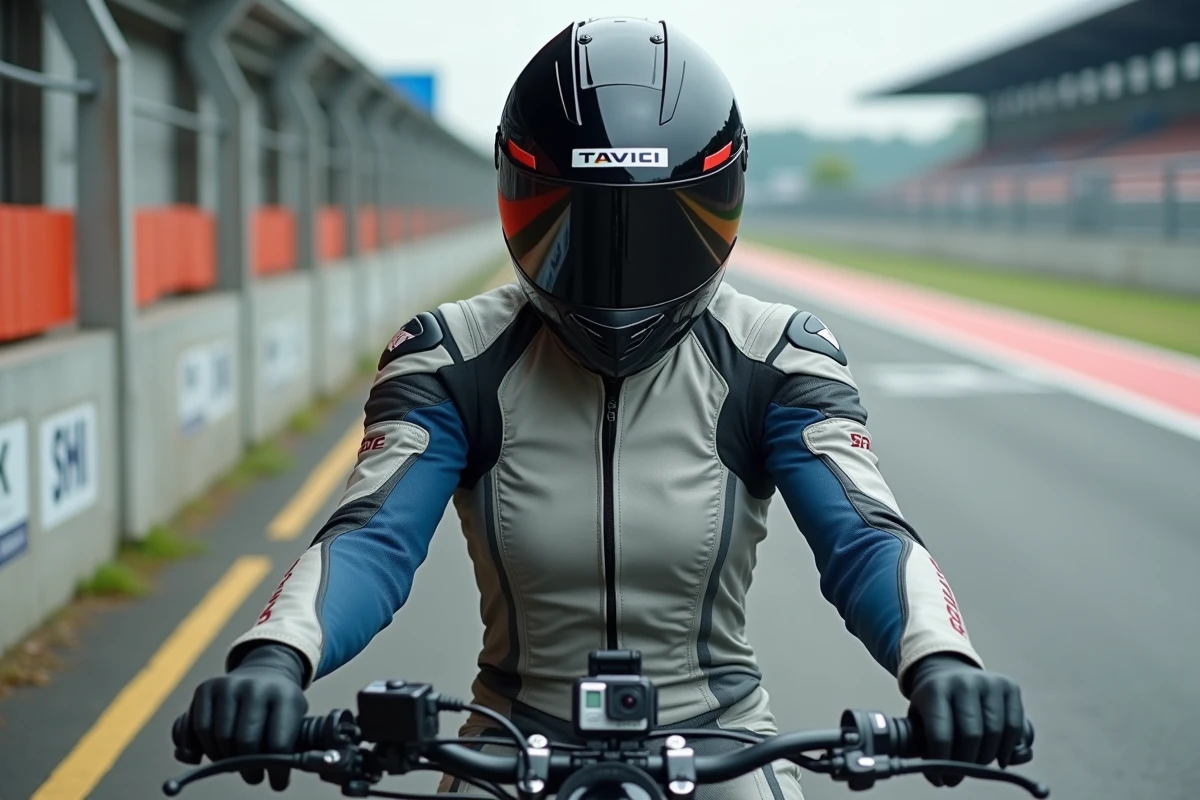
As for timing-oriented courses, they cater to riders who already master the fundamentals and seek to optimize their lap times. The content shifts towards telemetry analysis, consistency work, and riding at the limit of grip. This format assumes a good knowledge of the track and appropriate gear (full leather suit, back protector, racing boots).
Before choosing, clearly identify your objective. A road technique course on a small technical track will be more educational for an everyday rider than a day of free riding on a large fast layout. Progress in motorcycling first comes from repeating targeted exercises in a setting suited to one’s actual skill level, not from seeking high-speed thrills.